


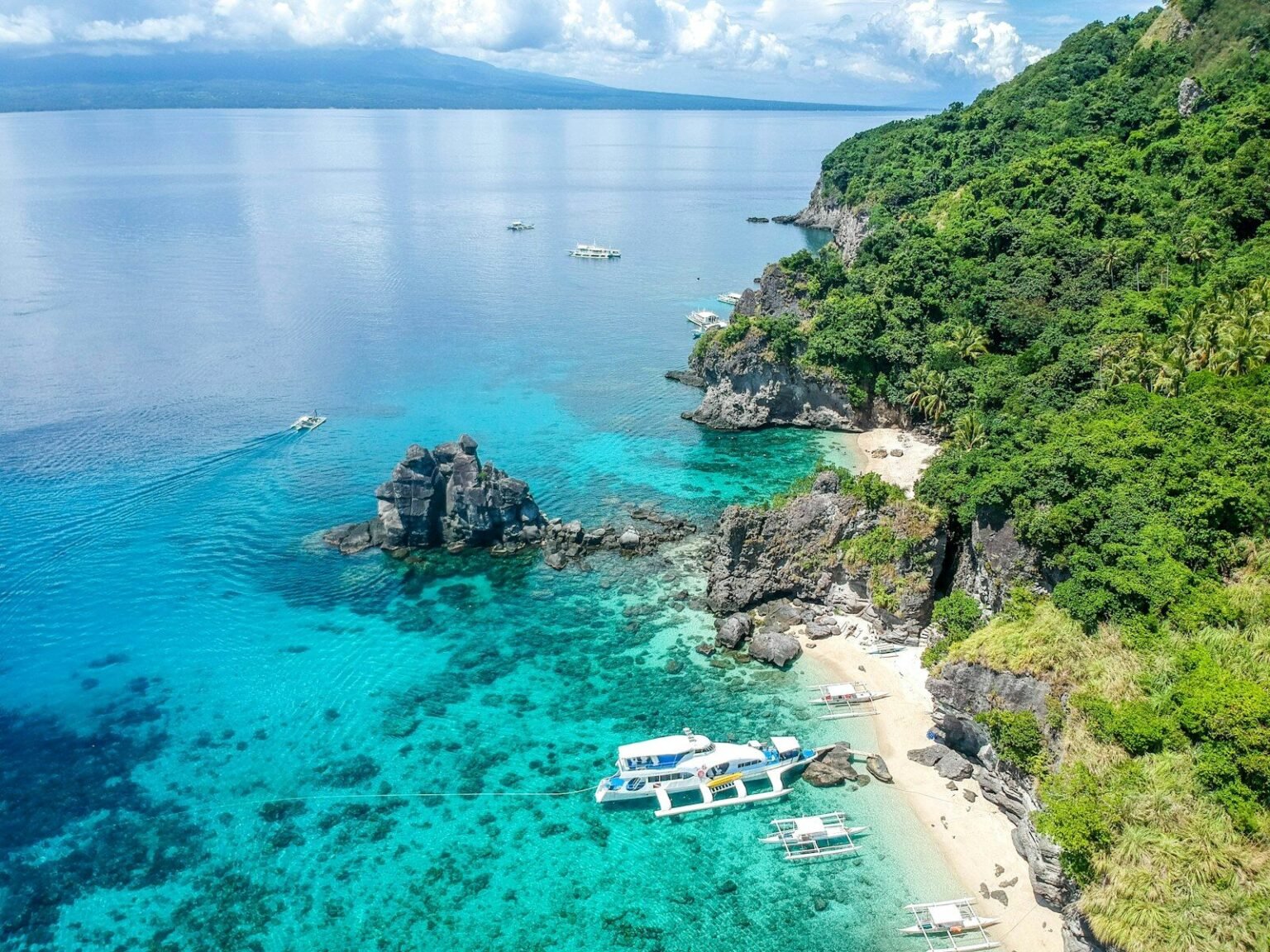
When I stepped on my first wooden bangka boat in El Niño the boatman, Kuya Jun said, with a smile, to me, embarking on the boat, Ma’am today you will see paradise seven times before lunch.
When I stepped on my first wooden bangka boat in El Niño the boatman, Kuya Jun said, with a smile, to me, embarking on the boat, Ma’am today you will see paradise seven times before lunch. I laughed politely. I did not believe him.
By two I had plunged into a crack in the limestone, and discovered a lagoon so still it resembled a piece of glass, glided over a coral garden with clown-fish in it, and had got off half a grilled tuna on a sandbar, which disappeared with the low tide. Kuya Jun was right. He usually is.
And that is the magic of Philippines island hopping – the country of more than 7,000 islands literally challenges you to jump in between. Whether it is the lagoons of El Niño that are turquoise, the shipwrecks of Coron or the barefoot simplicity of Siargao this guide assures you all the information that you might need: when, where, how to travel, how much it costs and what will go wrong when you first go there.
Let’s dive in.
What is Island Hopping in the Philippines? (Quick Answer)
Island hopping in the Philippines is a boat-based tourism venture where tourists explore several islands, several lagoons, and snorkeling destinations within one day (or more days) usually in a conventional outrigger bangka boat. Major destinations would be El Niño, Coron, Bohol and Siargao with day tours costing around 1200 to 2500 (21-45 USD) including lunch.
The elevator pitch is that. And so we may now take to unwrapping the fact that you are now giving real consideration to the trip to make.
In short: Why the Philippines is the Island-Hopping Capital of Southeast Asia.
Philippines is a Philippines archipelago comprising of about 7,641 islands located in the West Philippine Sea, Sulu Sea and the Pacific. At the geographical boundary it is divided into three vast areas Luzon, Visayas and Mindanao, the latter, Palawan also known as an island paradise in itself is on the west.
And why not this country and not Thais or Indonesia? Filipino island hopping, in addition to being a mere matter of sheer size, will also tend to become gloriously disorganized. You do not reserve one excursion, you reserve a boat, a crew and a vague itinerary, and the rest of it is made up as it goes: an impromptu visit to a sandbar, an adventure into a mysterious cave, lunch prepared aboard.
This implies that it cannot possibly be repeated twice to the day of the two island hopping and this is the main reason why the visitors keep on visiting.
Externality 1- The history of the country geography and the islands are available in the Wikipedia overview of the Philippines and Philippine Tourism Department.
Island Hopping: Best Time of Year to Visit.
In the Philippines, time is a determinant rather than one would wish because the boat tour would be cancelled because of typhoon.
Months Conditions Monthly verdict dry season (peak)December-May sunny calm seas, little rain in sight vivacious Tour is always cancelled wet/typhoon season July -October storms frequent rough seas.
When traveling tip: To avoid the high seasonal numbers in El Niño, late January to early March should give you the all-the-famous lagoons without the seasonal numbers. It is quiet at sea, clear above in the skies, and you will avoid the crowds who have assailed every boat between December and April as the Christmas and Holy Week crowds.
Secret of the locals: The best time to go underwater is in March and April in Palawan and Cebu – when normal snorkeling or diving is the main thing to do but the place is also the hottest, so bring proper clothing.
Consumer Education Philippines; transport Transport How to Travel Inter-Island.
Entry Requirements
The major nationalities (the US, the UK, the EU, Australia and Canada) are granted 30 days free on arrival which can be extended in a Bureau of Immigration office. You will be required to have a passport that has a duration of at least six months before you leave and evidence of next destination. Need evolves with every turn and before boarding a plane, it would be prudent to have a look at the current policies that have been revised by Philippine Bureau of Immigration.
Access to the Islands.
The two major international gateways are Manila ( NAIA ) and Cebu ( Mactan-Cebu International Airport ). There:
- Air: Local airlines like Cebu Pacific, Philippine Airlines and Air SWIFT operate between Manila/Cebu and island locations like Puerto Princesa, El Nino, Coron, Bohol (Panglao), and Siargao.
- Through ferry: OceanJet and Montenegro Lines serve with services between several large islands which may be of interest to low-end travelers or people island-hopping across the Visayas.
- By van/bus + boat: An example is Palawan, El Nido in which most of the time they arrive at the airport of Puerto Princesa by a 5-6 hour van journey and then off to a boat to reach the resort or hotel that you book.
Pro tip: Remember to reserve inter-island flights. El Nido and Siargao flights have a high demand ensuring that seats will sell quickly during periods of high demand and last-minute fares may be twice what they were.
The best Island Hopping Destination and Attractions.
Palawan, El Nino, Capital of Lagoon.
El Nino is the image on the postcard that you have looked at a hundred thousand times; limestone karsts that all but rise out of the water of the turquoise. Its travel of a line of island is structured into four traditional day journeys:
- Tour A (Lagoons): Big Lagoon, Small Lagoon, Secret Lagoon, Shimizu Island – perfect tour when you are a first-time visitor.
- Tour B (Caves & Coves): Snake Island, Cudugnon Cave, Entalula Island.
- Tour C (Beaches): Secret Beach, Matinloc Shrine, Hidden Beach.
- Tour D (Cadlao Islands): It is not too crowded, and is a nice escape way out of the boat traffic.
All tours cost about 20-25 USD per person, including lunch.
2. Coron, Palawan – Shipwrecks and Crystal Lakes.
Coron boasts lagoons as well as the Japanese shipwrecks from WWII and Kayangan Lake, commonly referred to as one of the cleanest lakes in Asia. Here is scuba heaven, though even the snorkelers can view the shallow Skeleton Wreck.
3. El Nido-Coron Tourism- Adventurous.
The inter-island journey between El Nino and Coron (via the remote Linapacan Islands) will always consume not less than 3-5 free days of the traveler and it is always what is rated as the best tourist experience in the country: spending the night on deserted beaches, snorkelling in virgin reefs and a whole day to island-hop between areas to which the majority of the tourists do not have access.
4. Bohol Chocolate Hills vs Panglao Beaches.
The hops in Bohol (the Chocolate Hills, tarsier resting spots) are combined with an island hopping through the islands of Panglao (Balicasag Island, a turtle habitat), Sandbar Island (Virgin Island) and the most excellent scuba diving locations in the world.
The five destinations are also found on this island in the following way:
5. Siargao Surf Town With a Lagoon Twist.
In addition to surfing, Siargao boasts of great island hopping to the naked island, Daku Island and the surreal Sugba Lagoon, where you can hire a bamboo raft and row over the still, mirror water.
6. Boracay & Cebu — Easy, Accessible Options
Boracay has more convenient (shorter) island hopping (Crystal Cove, Puka Shell Beach), whereas in Cebu, Moalboal and Oslob are well known sardine run locations and (more controversially) sites to observe whale sharks (see section on mistakes below).
Photo proposal: Aerial view of the Big Lagoon in El Niño, Palawan, Philippines – text: Turquoise Big Lagoon in the middle of limestone cliffs of El Niño, Palawan, Philippines.
Cross-promotion: Read our full El Nino vs. Coron comparison guide →
Local Culture & Cuisine You Will Find on the way.
It is not only a feast of water, but a feast of movement as well in island hopping. Boodle-fight style lunch Most day tours feature a boodle-fight type lunch (grilled fish, pork barbecue, rice, served in a banana-leaf style, and consumed with your hands on a sandbar). Until you get to doing it with your bare feet in the sand, it is cheese and yet it is one of the most beautiful meals you will have in the country.
Other than food, Filipino hospitality is warm, unrushed, and the boat crews will become spontaneous tour guides, singing on the way home to the port, and indicating most efficient positions to cliff jump along the route. Tiny fishing villages on the tourist path still entirely rely on the sea, and it is thus more helpful to tip over your crew (getting between 200 and 500 pesos per boat is standard practice), benefitting local communities.
Cooking suggestion: Which place would you like to have lunch? Ask your boat crew. It is a substitute (so frequently) of the menu of the resort restaurants – and a far more amusing one.
A bit of Budget Advice: How expensive Island Hopping really is.
A realistic daily budget of a Palawan-type island hopping trip is as follows:
ExpenseBudget TravelerMid-RangeLuxuryAccommodation₱800–1,500/night₱3,000–6,000/night₱10,000+/nightIsland hopping tour₱1,200–1,500 (shared)₱2,500–4,000 (private)₱8,000+ (private boat)Meals₱300–500/day₱800–1,200/day₱2,000+/dayLocal transport₱100–300/day₱500/dayPrivate van/driver
Expert tricks to work with a budget:
- Take the group/shared tours, rather than the individual boats- you will save at least more than half.
- Accommodation in slightly out-of-town (El Nino and the town of Coron are pricier).
- Bring a reusable water bottle and dry bag – both are available on-island, but will be more expensive to transport than carry.
- Common charges ( 200-400 pesos at every site ) are common in Palawan and Bohol; bring little amount of money.
Sample 3 Day El Niño Island Hopping Itinerary.
Day 1 – Arrival Day and Lagoon tour (Tour A)
Check-in in El Nido and explore the land, and do Tour A in the afternoon, when you can afford it. Big Lagoon and Small Lagoon are indivisible delights,–take an under-sea camera.
Day 2 -Caves and Hidden Beach (Tour B or C)
Get there early to avoid the boat traffic at Secret Beach. Snorkel Cathedral Cave, and unwind at the perspective of Matinloc Shrine by sunset drinks at Las Cabanas Beach.
Day 3 – Mainland Adventures
Skip the boat and rent a scooter to Nacpan Beach – which is wide but not so crowded – and walk (or rent a habal-habal motorbike) to Nagkalit-Kalit Waterfall.
Optional Days 4-6: The El Nino-Coron multi-day trip allows you to enjoy the real off-grid life.
Off-the-Beaten-Path Sights.
- Port Barton, Palawan – is less commercialized, less expensive, and quieter than El Nino, and excellent hops between sand bars.
- Ditaytayan Island (around Culion) – often referred to as one of the most beautiful sandbars in Palawan, but hardly ever visited unless on the course of a multi-day exploration.
- Suet Suds at sunset, Siargao with a sunrise in front of the day-trippers, a lagoon entirely and wholly quiet and deserted.
- Apo Island, Negros Oriental – marine parks with the sea turtles virtually guaranteed on every snorkel.
- Tour D in El Nido – always Tours A and C get mentioned first, but there is an observable lack of the former, and the latter is only half as busy.
Local tip: When speaking to boat operators in El Nino, ask them about “Linapacan” it is not mentioned in the middle zones by most brochures but is one of the most spectacular.
The 10 most common Travel Mistakes to avoid.
- Not booking flights. There are only a few seats to island hubs, and prices soar quickly during the height of season.
- Skipping travel/boat insurance. Water conditions can change quickly; make sure your policy includes water activities.
- Tampering with the coral or marine animals. It destroys sensitive habitats and in various reserves, fines are involved.
- Exceeding your capacity in your day bag. Cargo Boats do not have a lot of dry storage space, pack light, and carry a dry bag to store electronics.
- Endorsed uncontrollable whale shark interactions. In recent years, marine biologists have criticized some operators (especially some Oslob tours) over feeding behaviors which have modified the behavior of wild whale sharks. Investigate scrupulously, or seek protectionist shelters.
- Indifference towards the environmental fee system. Very many islands (El Niño, Coron, Bohol) impose conservation fees, so it should be a part of your budget not to be caught unaware.
- Underestimating sun exposure. a day in the open and exposed is horrific to bare flesh; no rash-guard or reef-safe sunscreen can be an option.
Conclusion: Do you think Philippines Island Hopping is Worth It?
In summary- yes, most definitely. There is hardly a frontier of the globe which presents so many interests of all kinds in one archipelago, in one glassy lagoon, in one shipwreck of war, in one flake of chocolate hue, in one line-up such as would proudly adorn the pages of any foam-line-map. But a little planning is rewarded in the Philippines. Reserve and avoid damaging the ecosystems that you tour, and keep some time of your agenda to visit the spontaneous sandbar pitstop, as these are what you will carry with you to write about.
Which Islands, though, are addressing thee first of all as lagoons of El Nino, as wrecks of Coron, or lagoon-and-surf of Siargao?? Whichever you want, fill in the dry bag, tip the boat crew and send Kuya Jun my greetings.
Ready to organize your vacation? Palawan check flights to Palawan →|Check El Niño boat tours operators El Niño Explore the Island of Palawan combinations and options
What is Island Hopping in the Philippines?
Frequently asked questions.
What is the price of island hopping in the Philippines?
The average price of a standard shared-boat day tour is ₱1,200 to ₱2,500 (about 21 to 45 USD) per head which includes lunch, snorkeling gear, and entry charges to the majority of the sightseeing places. There are other private boats which cost much more (usually 80-150 USD per group).
Which is the best island to visit in the Philippines when it comes to island hopping in the Philippines?
El Nino is normally considered the most ideal day tour with first timers in mind since there are four alternative, well organised day tours and iconic lagoons. Coron would be the best at wreck diving and the people that it would suit to are those that would like to have both snorkeling and island hopping.
What do I bring to Island hopping?
A rash guard, waterproof phone case or dry bag, reef-safe sunscreen, water shoes, a hat, and reusable water bottle. The majority of tours will include snorkeling equipment and lunch and therefore will not require you to carry your own.
Is it safe to do island hopping in the Philippines?
Yes, generally. Licensed tour operators have usual safety standards, and the provision of life jackets is a regular requirement. That being said, always keep an eye on weather warnings when taking tours as it is normally canceled when storms are likely to come because of safety when riding.
I have 2 days to spend in Island hopping in Palawan.
The main tours (A, B and C) of El Nino can be done in three days. Considering the trip between the two or should you also consider Coron, then plan on 5-7 days total.
Island hopping the Philippines, is it mandatory?
A visa-free arrival (in 30 days) and the possibility of its extension by the Bureau of Immigration (The US, UK, EU, Canada, and Australia) are offered to the majority of nationalities. The needs of various countries vary and therefore they always verify the current regulations and then proceed to reserve flights.
In what time of the year should one do an island hopping?
This is the dry season (December-May) when the seas are calm and the skies are clear. Early March to the end of January is a good season with good weather and few people as the holiday seasons of December-April are so busy.
Are first timers able to go on island hopping without being able to swim?
Yes. Tours cover all snorkeling sites with most being in shallow and calm water and all snorkeling tours provide life jackets. But, you see, you are not an able swimmer, and, then, in that case, tell your boat crew, and make them guide you where it is, and you are on the safe side.