


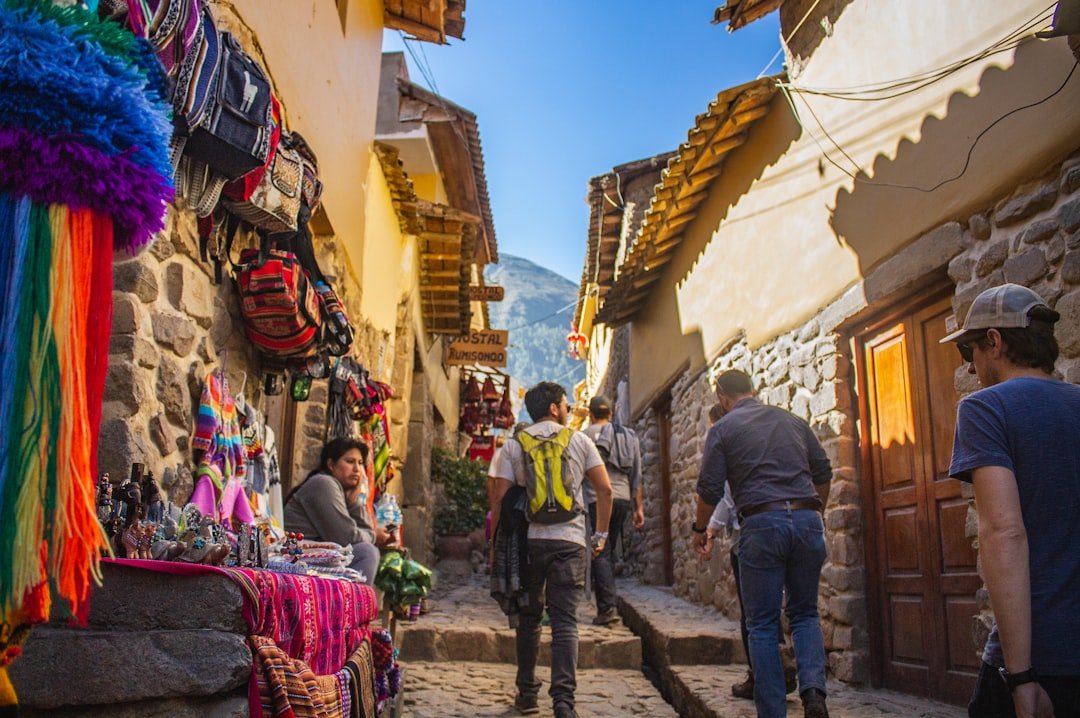
The second you step off the plane in Cusco, your lungs will notice the thin, crisp air at 11,152 feet. But right after that, you feel the energy of this place. It's intense. Cusco is so much more than just a quick pitstop on your way to Machu Picchu. It is the historic beating heart of the Andes. Imagine walking down a street where Spanish colonial churches sit directly on top of massive, perfectly carved Inca stone foundations. The air smells like eucalyptus, diesel, and roasting coffee. It's wild. It's a gorgeous collision of two completely different worlds.
Are you looking to scale dizzying high-altitude peaks, decode ancient mysteries, or just eat your way through world-class Peruvian restaurants? Honestly, you're in for a ride. To help you figure out your plan, I've put together this personal list of the absolute best things to do in Cusco. Grab some warm coca tea, and let’s get into it.
—
1. Step Back in Time at the Plaza de Armas and San Blas
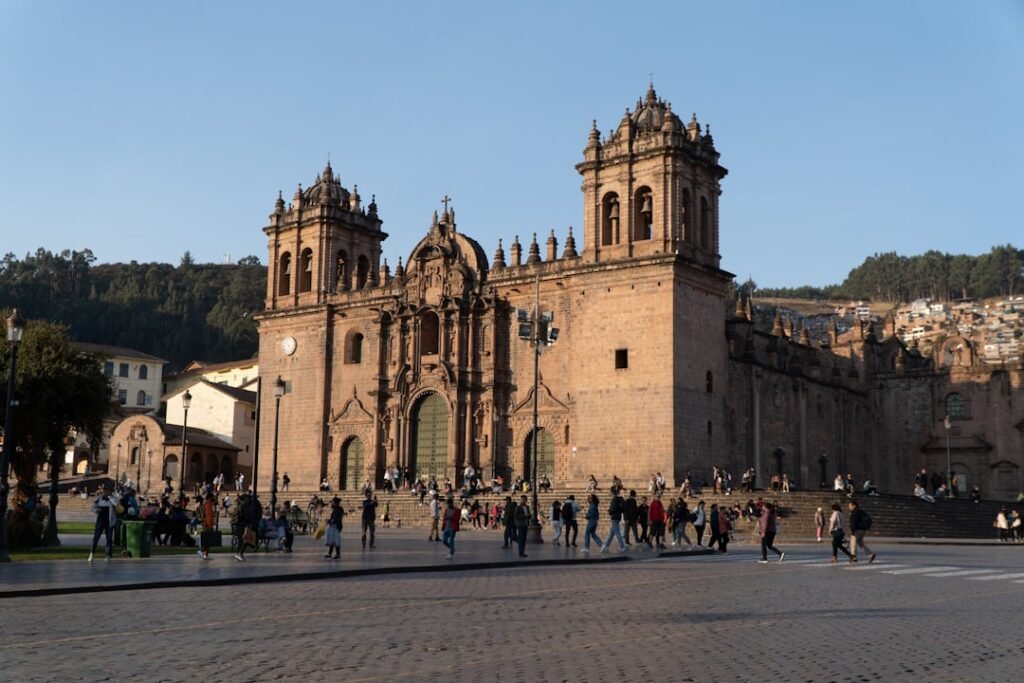
Every trip here starts at the Plaza de Armas. It's the central hub, loud and packed with life. You've got beautiful gardens, old colonial arches, and two massive stone churches looming over everything—the Cusco Cathedral and the Iglesia de la Compañía de Jesús. It is hands-down the best spot in town to sit on a bench and just watch the world go by.
Once you get your bearings, start walking uphill into San Blas. It's Cusco's artsy, bohemian quarter. Walking these streets feels like wandering through an oil painting. The alleys are incredibly narrow, steep, and paved with slick cobblestones. White walls are broken up by bright blue doors and wooden balconies draped in flowers. If you love exploring creative communities—similar to checking out the quirky local arts scene in Ashland back in the States—you'll fall in love with the tiny galleries, vegan cafes, and workshops here. You can actually watch traditional weavers and woodcarvers work right in their shops.
- Practical Tip: The climb up to San Blas is a brutal workout for your lungs. Don't rush. Stop, pretend you're taking a photo to catch your breath, and reward yourself with an espresso at L'atelier Café Concept. It's a tiny boutique café with a second-floor balcony that has a killer view of the street below.
—
2. Stand in Awe of the Massive Stones at Sacsayhuamán
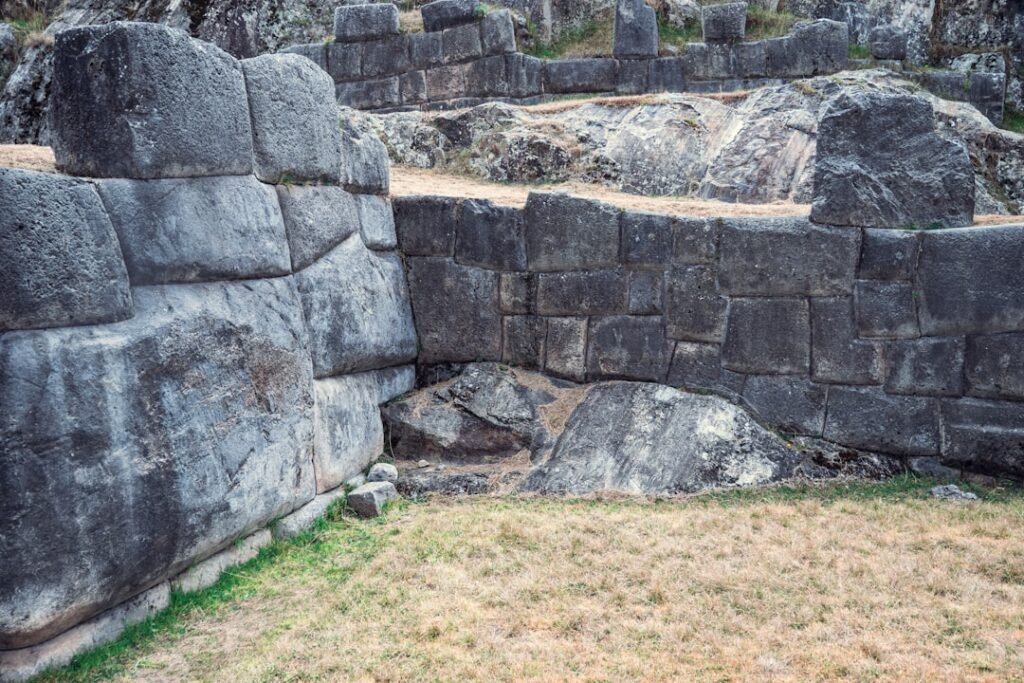
You don't have to travel miles out of town to see mind-blowing engineering. Just walk up the steep hill overlooking the city to find Sacsayhuamán. Tourists love to joke that it sounds like "sexy woman," but this place is actually a massive, imposing citadel that served as both a fortress and a sacred temple.
The sheer scale of this place is hard to wrap your head around. The outer walls run in a jagged, zig-zag pattern to mimic the teeth of the sacred puma. The rocks are enormous. Some of these limestone blocks weigh over 120 tons. Here is the wildest part: the Incas fitted these giant stones together so perfectly, without a single drop of mortar, that you can't even slide a knife blade or a piece of paper between them. How did they move them? We still don't fully know.
- Practical Tip: Sacsayhuamán is on the Boleto Turístico (the multi-site Cusco Tourist Ticket). Do your knees a favor: take a cheap taxi from the Plaza de Armas up to the ruins, and then take the scenic, easy downhill walk back into San Blas afterward.
—
3. Uncover the Mystical History of Qorikancha (The Temple of the Sun)
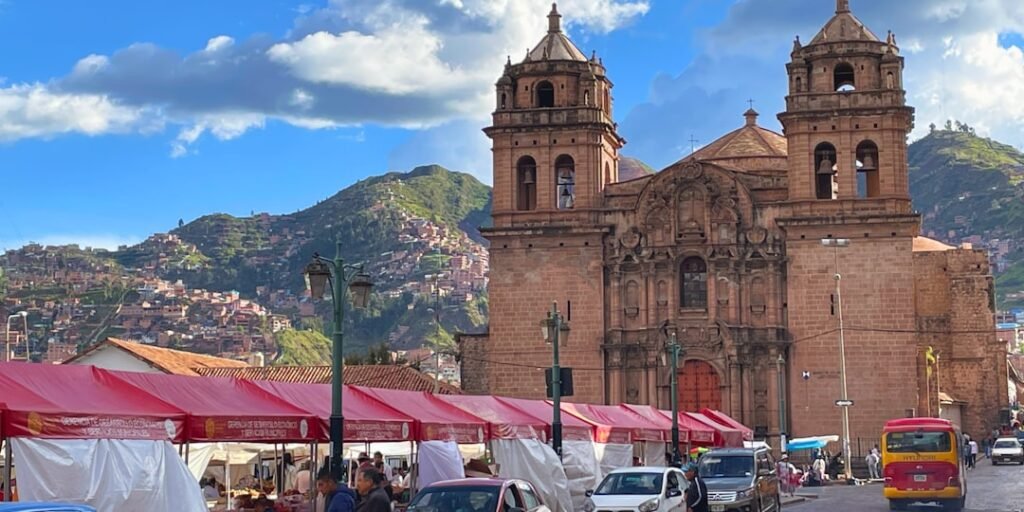
To understand the messy, layered history of Cusco, you have to visit Qorikancha. Back in the glory days of the Inca Empire, this was the absolute center of their spiritual world—the Temple of the Sun. Rumor has it the walls were literally plated in sheets of solid gold, and the courtyards were filled with life-sized golden statues of llamas, corn stalks, and people.
Then the Spanish conquistadors showed up. They stripped the gold, melted it down, and built the colonial Convent of Santo Domingo right on top of the temple's foundations. Today, the contrast is stark and fascinating. Elegant Spanish arches sit directly on top of the dark, incredibly precise, earthquake-proof Inca walls. When massive earthquakes leveled the Spanish structures twice, the Inca stonework didn't even budge.
- Practical Tip: Spend the money to hire one of the licensed guides waiting near the entrance. They usually charge around 30 to 40 Soles, and they'll show you the hidden details, like how the windows align perfectly with the summer solstice.
—
4. Dive into the Sensory Overload of San Pedro Market
If you want to see where locals actually live their lives, push through the doors of the San Pedro Market (Mercado Central de San Pedro). It is loud, chaotic, and an absolute trip for your senses.
You'll walk through a maze of stalls piled high with colorful exotic fruits, mounds of native Andean potatoes (there are thousands of varieties here), strange dried herbs, and stacks of cheap alpaca sweaters. Keep walking and you'll hit the meat section, where pig snouts, cow eyes, and sheep heads stare back at you from the counters. I remember trying a hot bowl of chicken soup (*caldo de gallina*) at one of the wooden benches in the back during my first visit. It cost about two dollars, tasted incredible, and cured my altitude headache instantly. It's a great spot to bring older kids for a real cultural eye-opener, though if you're traveling with very little ones, you might find managing the tight, busy aisles a bit hectic—sort of like exploring New Orleans with kids during festival season.
- Practical Tip: San Pedro is great for cheap souvenirs, but don't hesitate to bargain a little. Also, keep your hands on your phone and wallet. The thick crowds make this place a goldmine for pickpockets.
—
5. Embark on an Adventure to the Sacred Valley
While there are endless things to do in Cusco itself, you'd be missing out if you didn't spend a day or two in the spectacular Sacred Valley of the Incas. It's only about an hour north of town, but it feels like a different world. The valley is tucked between giant, jagged green peaks and dotted with sleepy villages and ruins.
Make sure to stop in Pisac to see the massive agricultural terraces climbing up the mountainside, then wander their massive craft market. Further down the road is Ollantaytambo, a stunning "living" Inca town. The town layout is exactly as the Incas built it, with stone water channels still running fresh mountain water right past people's front doors. If you have the time, rent a driver to take you to the bizarre circular terraces of Moray and the white, terraced salt pans of Maras.
- Practical Tip: Sure, you can book a crowded tour bus, but here's a better way: catch a *colectivo* (a shared transit van) from Calle Pavitos in Cusco. It's dirt cheap, perfectly safe, and lets you explore on your own schedule.
—
6. Challenge Yourself on a High-Altitude Day Hike
Once your body has adjusted to the thin mountain air, it's time to lace up your boots and push your limits on a high-altitude day hike.
The two big ones everyone talks about are Rainbow Mountain (Vinicunca) and Humantay Lake. Rainbow Mountain looks surreal, like a giant watercolor painting with its bright mineral stripes stretching across the cold Andean ridges. Humantay Lake is different—it's a sparkling, brilliant turquoise glacial pool sitting right at the base of a massive snowy peak. Both hikes are incredibly tough because you'll be walking at over 15,000 feet, but the views will honestly blow your mind.
- Practical Tip: Do not attempt these on day one or two. Seriously. Give your body at least three days to acclimate first. Wear layers because the weather changes in seconds, and buy a pocketful of coca candies to suck on when the steep climbs get tough.
—
7. Hunt for Hidden Gems at the Temple of the Moon
Want to escape the tour buses and selfie sticks? Take a walk behind Sacsayhuamán to find the Temple of the Moon (Templo de la Luna). It's a quiet, free-to-enter archaeological site that mostly gets visited by locals, horses, and the occasional spiritual traveler.
The "temple" is actually a natural rock hill with a cave carved out underneath. The Incas carved a smooth stone altar inside the dark cave, positioned so that during certain nights, the full moon shines through a crack in the rock overhead and lights up the stone. Surrounded by quiet, grassy fields and groves of whispering eucalyptus trees, it's a peaceful spot to sit and clear your head. It has that tranquil, off-the-beaten-path feel you get when exploring sleepy lake towns, like finding quiet bayfront spots in Bayfield before the summer crowds arrive.
- Practical Tip: You can hike here directly from San Blas by following the old dirt paths past the main church. The walk takes about an hour and offers some of the best quiet views of the surrounding valley.
—
Where to Eat in Cusco: A Culinary Masterclass
Peru is famous for its food, and Cusco has evolved into an absolute powerhouse for dining. Whether you want to squeeze onto a wooden bench in a local *chichería* or splurge on a fine-dining meal, you won't leave hungry. Here are the spots you shouldn't miss:
- Cicciolina: Tucked away in a warm, rustic colonial attic near the main square, this place is legendary for a reason. They serve incredible Andean-Mediterranean tapas. Definitely order the seared alpaca tenderloin and whatever fresh pasta they have on special.
- Morena Peruvian Kitchen: This spot is bright, modern, and serves up gorgeous, vibrant plates of traditional comfort food. Their *Lomo Saltado* (a smokey stir-fry of beef, onions, tomatoes, and thick-cut fries) is easily the best in town, and their pisco cocktails are top-tier.
- Pachapapa: Head to San Blas and grab a table in this cozy, open-air courtyard. They have a massive wood-fired oven going, and it's the perfect, unpretentious spot to try local specialties like *Cuy Chactado* (crispy roasted guinea pig) or grilled alpaca skewers.
- Chicha by Gastón Acurio: Run by the godfather of modern Peruvian cuisine, this upscale spot is a beautiful tribute to traditional high-Andean cooking. Go for the slow-cooked trout or the rich duck confit.
—
Practical Travel Tips for Your Cusco Adventure
How do I beat altitude sickness (soroche)?
Do not underestimate the altitude. It will slow you down. When you first arrive, plan to do almost nothing. Avoid heavy meals and booze for the first 24 hours. Drink tons of water and sip on coca tea (*mate de coca*)—it's the local remedy, and it genuinely helps ease that dull altitude headache. If you're really struggling, walk into any local pharmacy and ask for *sorojchi* pills.
When is the best time of year to visit Cusco?
You have two main choices: wet or dry. The dry season (May to October) is by far the most popular time to visit. You get crisp, sunny days and clear blue skies, which is exactly what you want for trekking. Just be ready for bigger crowds and higher prices. The wet season (November to April) brings plenty of rain, but the hills turn an incredibly vibrant green, the crowds thin out, and you can score some great deals on rooms and tours.
How do I get around the city?
Cusco is built for walking, and honestly, wandering the historic center on foot is half the fun. If you need to go further, just flag down a licensed taxi. They're everywhere and usually cost between 7 to 10 Soles. Just make sure to agree on the fare *before* you close the door, because none of these cabs use meters.
—
Ready to Fall in Love with Cusco?
There's an old mountain saying that once you drink the water of Cusco, you're bound to return. It's easy to see why. With its dramatic mountain backdrops, deep layers of living history, and the quiet warmth of the people who live here, Cusco has a way of staying with you. Whether you're resting your legs on an ancient stone wall or sipping a cold Pisco Sour as the streetlights flicker on across the Plaza de Armas, this place gets under your skin.
Now, let's hear from you. Are you planning your first trip to the Andes, or have you already spent some time here? What was your favorite spot? Let me know in the comments below!