


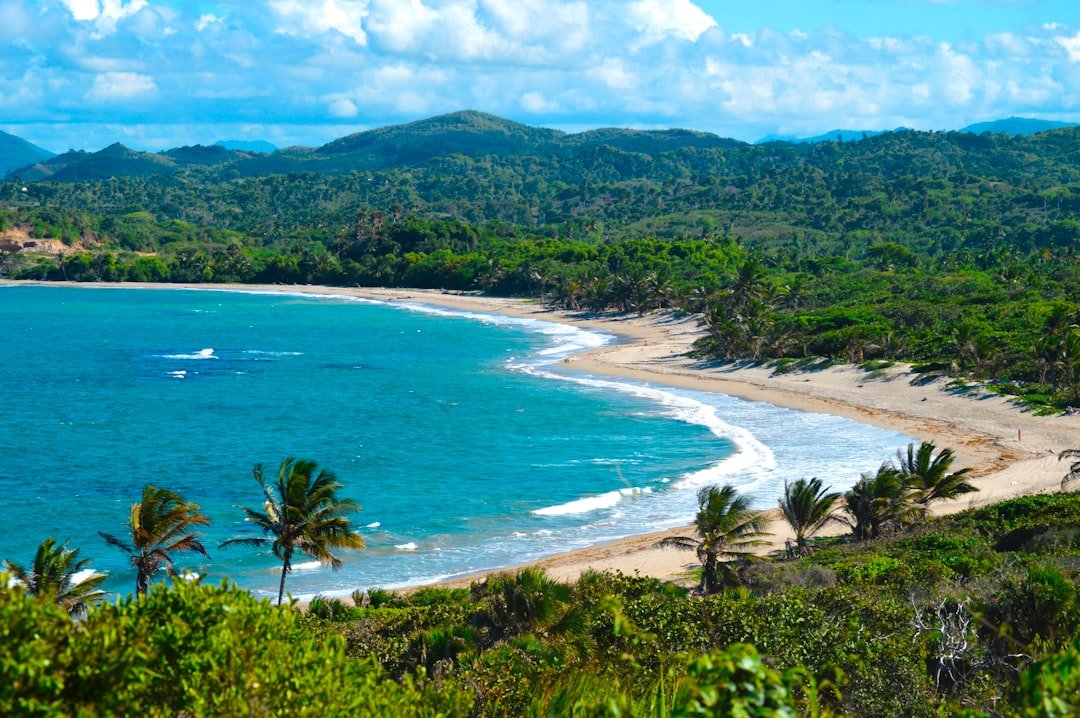
Picture this: you're standing on warm, golden sand with a salty Atlantic breeze whipping through your hair. To your left, the ocean is a ridiculous shade of turquoise. To your right, the green peak of Mount Isabel de Torres pierces the clouds. This is Puerto Plata, the absolute crown jewel of the Dominican Republic's northern coastline.
Locals call this coast the *Costa de Ámbar* (Amber Coast) because of the massive deposits of glowing amber hidden in the hills. Honestly, it’s also the birthplace of tourism in the country. But don't worry—this isn't just a boring strip of sleepy, cookie-cutter all-inclusive resorts. Not even close. You get a gritty, gorgeous mix of colonial history, wild mountain peaks, screaming-at-the-top-of-your-lungs waterfalls, and some of the friendliest people you’ll ever meet.
I remember my first time visiting; I expected standard resort vibes but ended up dancing bachata in a local grocery store within three hours of landing. If you want a real adventure, there are endless things to do in puerto plata that will completely ruin other beach destinations for you. Grab a cold Presidente, slide on your sunglasses, and let’s get into the good stuff.
—
1. Ride the Teleférico to the Peak of Mount Isabel de Torres
Want to see how the whole city fits together? You need to head straight for the Teleférico San Felipe. Here's the thing: this is the only cable car operating in the entire Caribbean. It drags you straight up the side of Mount Isabel de Torres, landing you a cool 2,625 feet (800 meters) above the ocean.
The ride up is half the fun. You watch the colorful rooftops of Puerto Plata shrink into tiny dots, replaced by misty, dense rainforest canopy. When the doors slide open at the top, you're greeted by a massive replica of Rio de Janeiro’s Christ the Redeemer statue standing guard over the bay.
Take a slow stroll through the high-altitude botanical gardens up there. The air is crisp and shockingly cool—an incredible break from the sticky tropical heat down on the streets. On a clear morning, looking down at the coastline will make you hold your breath.
- Practical Tip: Go early. Like, right when they open. By noon, heavy mountain mist and low clouds usually roll in, completely swallowing the view. Also, throw a light sweater in your bag. It gets surprisingly breezy up there.
—
2. Conquer the 27 Waterfalls of Damajagua (27 Charcos)
Calling all adrenaline junkies. If you only do one day trip while you're in town, make it the 27 Waterfalls of Damajagua (or *27 Charcos* to the locals). Hidden in the thick jungle of the Northern Corridor, this natural water park is hands-down one of the most adventurous things to do in Puerto Plata.
It starts with a sweaty but beautiful hike through the tropical forest with a local guide. Then, the real action starts. You'll make your way back down through a deep limestone canyon by swimming, sliding down slick rock chutes, and throwing yourself off cliffs into deep, glowing turquoise pools.
I've done my fair share of wild excursions—even went chasing waterfalls in Idaho last year—but nothing beats the raw, tropical rush of Damajagua. Don’t panic about doing all 27; most standard tours cover the first 7 or 12, which is plenty of action for one afternoon. The guides are fantastic, keeping you safe and laughing the entire time.
- Practical Tip: You are going to get absolutely drenched. Wear a swimsuit, quick-dry clothes, and actual water shoes with solid grip. No flip-flops allowed! You can rent shoes and lockers at the entrance. Definitely bring a waterproof case for your phone, or better yet, a GoPro.
—
3. Wander the Vibrant Streets of the Historic Zone (Centro Histórico)
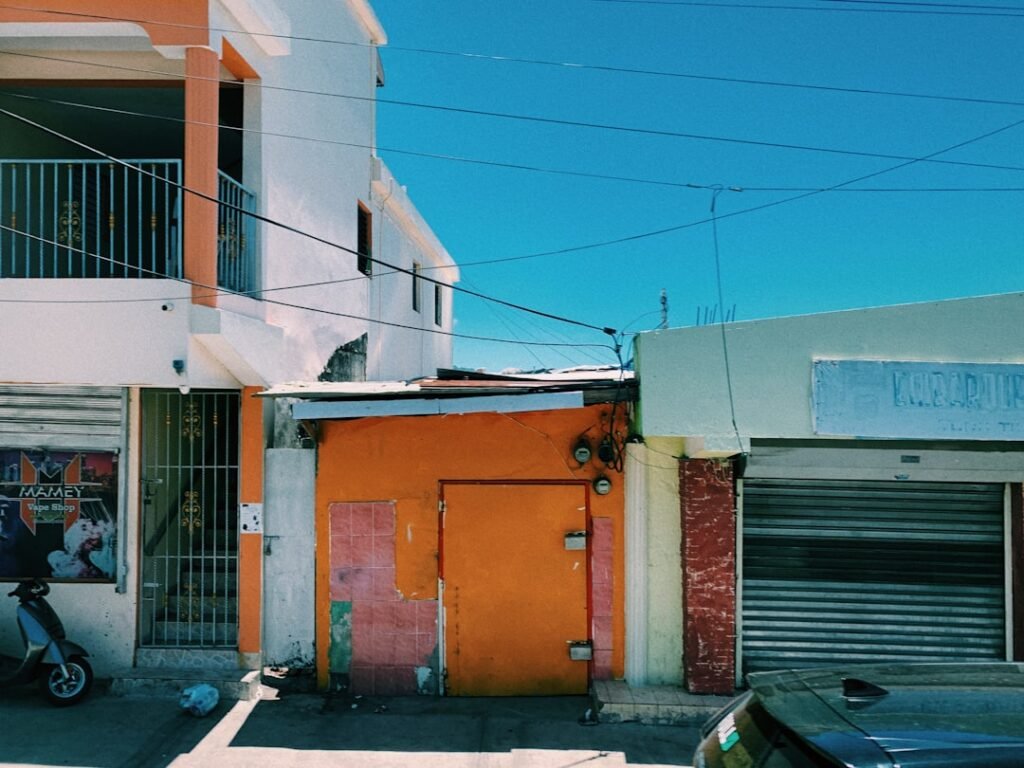
Puerto Plata is older than you think, and the Centro Histórico is the best place to feel that rich history. The streets here are lined with gorgeous, pastel-colored Victorian homes from the late 1800s. With their wooden gingerbread trim and wrap-around balconies, the whole place feels like a living postcard.
Start walking at Plaza Independencia (Central Park), where locals gather under massive palms near the two-story Victorian bandstand. From there, head straight to Calle de las Sombrillas (Umbrella Street). Yes, it's touristy, but seeing hundreds of bright umbrellas floating over a pedestrian-only lane is genuinely cool.
Right around the corner is Paseo de Doña Blanca, a narrow alley painted entirely in a blinding shade of hot pink. It was built to honor a local tourism pioneer, and honestly, your camera roll needs a photo here.
- Practical Tip: The midday sun is brutal on these paved streets. Save your walking tour for the late afternoon. Find a street vendor near the park and buy a fresh, ice-cold coconut (*coco frío*). Watching them slice the top off with a massive machete is half the experience, and the water is incredibly hydrating.
—
4. Step Back in Time at Fortaleza San Felipe
Sitting right on the edge of the Atlantic, Fortaleza San Felipe is a massive stone fortress dating all the way back to 1577. The Spanish built it to keep marauding pirates and English invaders from ransacking the harbor. If you love historic coastal towns, you'll find the defense layouts and ocean views here absolutely fascinating.
Walking through the damp, thick stone passages, you can practically hear the echoes of the past. It even served as a grim prison during the dark days of the Trujillo dictatorship. Today, it’s much more peaceful, housing a small museum packed with old weapons and artifacts.
Honestly, even if you don't care about military history, you should go for the views. The grassy lawns surrounding the fort are where locals come to wind down, fly kites, and catch the ocean breeze.
- Practical Tip: This is hands-down the best sunset spot in town. Get there about an hour before dark, explore the inside of the fort, and then find a spot on the ancient stone walls to watch the sky turn brilliant shades of orange and purple over the water.
—
5. Discover the Magic of Cayo Arena (Paradise Island)
Puerto Plata’s city beaches are great, but if you want that classic "stranded on a tiny patch of white sand in the middle of nowhere" feeling, you have to book a trip to Cayo Arena (aka Paradise Island).
It's a bit of a trek—about a two-hour drive to the fishing village of Punta Rucia, followed by a fast, bumpy speedboat ride—but it is worth every second. Cayo Arena is a tiny, uninhabited sandbar surrounded by a massive, glowing neon-blue coral reef.
It feels like stepping into a screensaver. The water is shallow, warm, and so clear you don't even need a snorkel mask to see the fish. But put one on anyway, because schools of bright yellow damselfish and blue tangs will swim right up to your hands. It reminds me of the pristine waters you find when exploring Mexico's Caribbean paradise—pure, untouched blue.
- Practical Tip: Because the sandbar is so small, it can get crowded fast. Book an early-bird tour so you can arrive before the big catamaran crowds show up. Also, pack reef-safe sunscreen. There is absolutely no natural shade out there, though guides usually set up simple wooden huts to block the sun.
—
6. Unleash Your Inner Wild Child at the Monkey Jungle
If you want to hang out with some cheeky animals, head into the hills between Sosúa and Cabarete to visit the Monkey Jungle and Zip Line Adventures. This 80-acre slice of paradise doubles as a recovery sanctuary for capuchins and squirrel monkeys.
The best part? Stepping right inside their massive enclosure. Within seconds, you'll have three or four tiny, incredibly soft squirrel monkeys sitting on your shoulders, inspecting your hair, and gently grabbing sunflower seeds from your open palms. It’s impossible not to laugh.
If you want some extra speed, they also have a killer seven-station zip line course that sends you flying across a lush valley, including a wild drop into a natural cave. Here is a cool detail: your ticket sales directly fund a free dental and medical clinic on the property for local families who can't afford healthcare.
- Practical Tip: Take off all earrings, loose jewelry, sunglasses, and hair clips before you walk in. These monkeys are professional pickpockets and will steal anything shiny in half a second.
—
7. Dive into the World of Dominican Rum and Amber
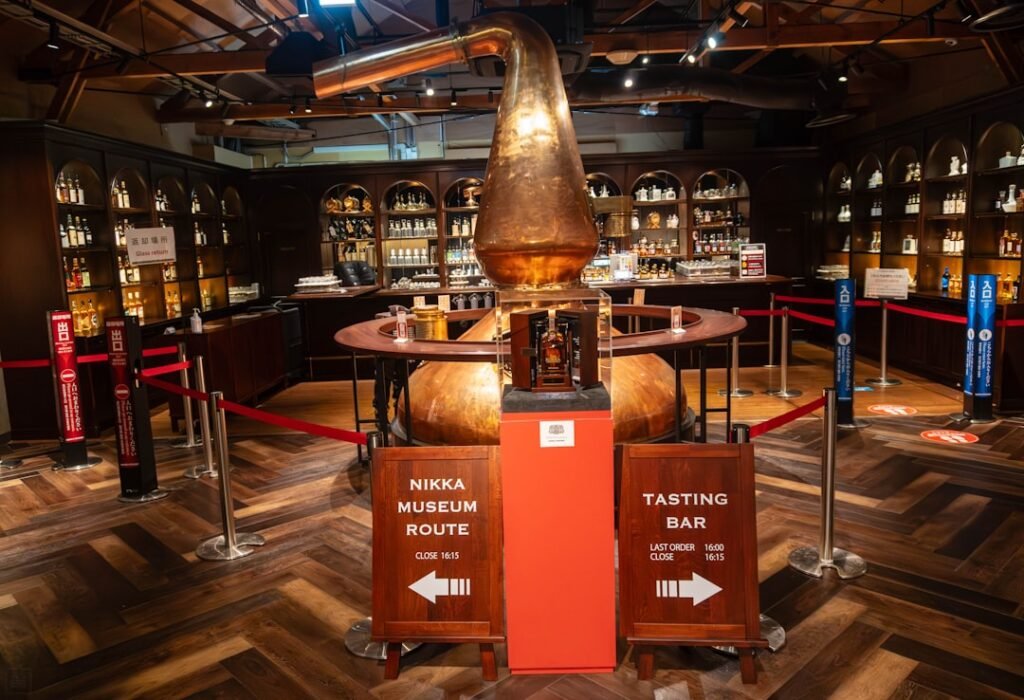
You can't visit the Amber Coast without checking out the two things that put this region on the map: world-class rum and ancient amber.
Start at the Amber Museum (Museo del Ámbar Dominicano), located in a gorgeous Victorian mansion in town. They have some of the rarest amber specimens on earth, including pieces with prehistoric spiders, leaves, and even a tiny lizard trapped inside. Fun fact: the amber prop used in the original *Jurassic Park* movie was actually inspired by specimens found right here in this province.
Once you’ve had your history fix, head over to the Brugal Rum Factory (they've been making rum in Puerto Plata since 1888) or visit the Ron Macorix House. You’ll get to see how they age the rum in charred oak barrels and, of course, taste a few varieties of smooth, dark Dominican rum.
- Practical Tip: Don't buy amber from random beach vendors—it's often just colored plastic. Stick to the museum gift shops or certified jewelers to make sure you're getting the real deal.
—
Where to Eat in Puerto Plata: Local Flavors and Fresh Catch
Dominican food is a fantastic mix of Spanish, African, and indigenous Taino flavors. It's hearty, savory, and usually cooked with a ton of garlic and cilantro. Here are a few spots you absolutely cannot miss:
1. El Bergantín
Tucked inside a beautifully restored Victorian building right off the main square, El Bergantín is the place to go for a slightly upscale but totally relaxed dinner.
- What to Order: Go for the *Pescado con Coco* (fresh fish cooked in a creamy coconut and bell pepper sauce) or their legendary *Mofongo*—a mountain of mashed green plantains seasoned with garlic and crispy pork cracklings.
2. Pescado Frito at Playa Sosúa
If you want a classic, no-frills beach meal, drive 25 minutes east to Playa Sosúa. The beach is lined with rustic wooden shacks (*chiringuitos*) where local cooks fry up seafood right over open flames.
- What to Order: Ask for a whole *Pescado Frito* (fried red snapper). They season it simply with lime and garlic, fry it to a perfect crisp, and serve it with a pile of *tostones* (twice-fried plantains) and fresh avocado. Grab a cold beer and eat with your fingers.
3. Le Papillon
Hidden away in the quiet neighborhood of Cofresí, Le Papillon is run by an eccentric German expat chef. It's famous for massive portions, creative plating, and great conversation.
- What to Order: The menu shifts depending on what's fresh, but if they have the pepper steak or any of the local lobster dishes, order it immediately.
4. Heladería Bon (for Dessert!)
You'll find Heladería Bon shops all over the country, and there's a great one right by Central Park. It’s a true Dominican institution.
- What to Order: Skip the vanilla and try local flavors like *Helado de Macadamia* (macadamia nut) or tropical fruit options like *Chinola* (passion fruit) or *Coco* (coconut).
—
Practical Travel Tips for Your Puerto Plata Adventure
Want to make sure your trip runs smoothly? Here's the practical lowdown on what you need to know before you fly out.
When is the best time to visit Puerto Plata?
The sweet spot is from December to April. The weather is absolutely perfect—warm, sunny, and dry. Of course, that's also when everyone else wants to go, so prices are higher. If you want to save some cash and don't mind a little humidity, the shoulder months of May and June are great. Hurricane season runs from June through November, with October and November usually getting the most rain.
How do I get around Puerto Plata?
You've got a few options depending on your comfort level:
- Taxis: Readily available near resorts. Make sure you agree on a price *before* you close the door, because they don't have meters.
- Uber: Yes, Uber works here! It’s cheap, incredibly easy, and saves you the hassle of haggling.
- Motoconchos: These motorcycle taxis are everywhere. They are super cheap and a total rush, but be careful—traffic can get pretty wild.
- Guaguas: These are the local shared minibuses. They cost next to nothing (about $1 to $2 USD) to get between towns like Sosúa or Cabarete. They get incredibly crowded, but they are a great way to experience real local life.
- Car Rental: Great if you want to explore on your own schedule. Just be prepared for aggressive, unpredictable driving from the locals, and try to avoid driving at night.
Is Puerto Plata safe?
Yes, it is generally very safe. The government has a dedicated tourist police force called POLITUR who patrol the beaches, historic spots, and resort areas. Just use standard travel common sense: don't walk around flashing expensive jewelry or stacks of cash, stay in well-lit areas after dark, and keep an eye on your bag when you're swimming.
—
Pack Your Bags and Get Ready to Explore!
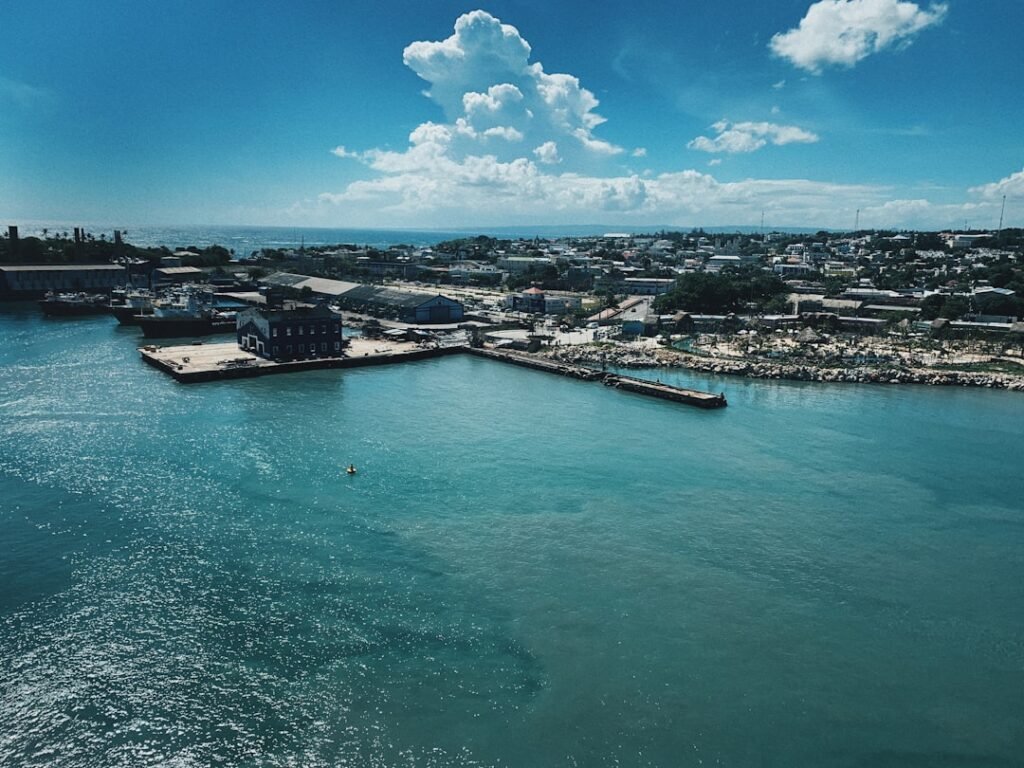
From the misty rainforest trails of Mount Isabel de Torres to the bright, pastel-colored alleyways of the old colonial town, Puerto Plata is the kind of place that sticks with you. It’s not a sanitized, sterile resort bubble. It’s a living, breathing city where music spills out of every corner and adventure is always just a short drive away.
So stop overthinking it. Book those flights, pack your favorite swim shorts, and go experience the magic of the Amber Coast for yourself.
Are you planning a trip to the Dominican Republic soon, or have you already been? What's the very first spot on your itinerary? Drop a comment below and let's chat!